Planktoon: Infusing Playful Energy into Your Design Projects
A Typeface That Speaks the Language of Fun
In the crowded world of digital assets, finding a premium font that genuinely captures a specific mood can be a challenge. Many typefaces aim for neutrality, but Planktoon takes a different approach. It is a creatively styled typeface designed to bring a lighthearted, whimsical character to your work. Think of it not just as letters, but as an illustration—a visual element that immediately sets a relaxed and playful tone. This isn't a font for a corporate law firm's annual report; it's for the projects that need to smile, engage, and invite interaction.
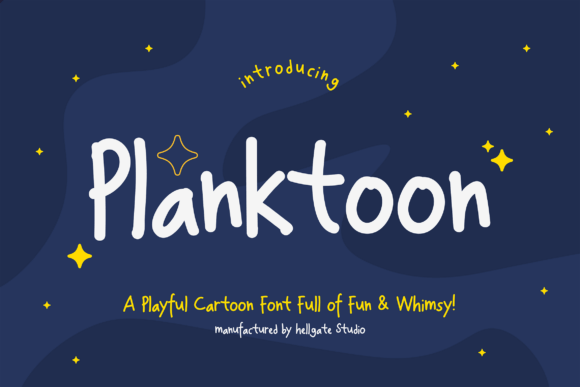
The visual personality of Planktoon is rooted in its cartoony aesthetic. It features rounded edges, slightly irregular baselines, and a sense of movement that feels hand-drawn. This style of illustrative typography communicates approachability and creativity. When used in a logo design, it can make a brand feel friendly and memorable. For a children's book, a blog header, or a party invitation, it instantly creates the right atmosphere. The font’s design is intentional—it’s built to spark a bit of joy and frivolity, making it a valuable addition to any designer's toolkit of design assets.
Where Planktoon Truly Shines: Practical Applications
Understanding a font's personality is one thing; knowing where to apply it is another. Planktoon excels in contexts where you want to break away from formality and connect with an audience on a more human, emotional level. Its strength lies in its ability to act as a display font that carries the visual theme of a project.
- Branding and Identity: For businesses targeting families, creatives, or a younger demographic, Planktoon can form the cornerstone of a playful brand identity. Imagine it on a logo for a toy store, a bakery, or a creative workshop. It sets a clear expectation of a fun, engaging experience.
- Marketing and Social Media: In the fast-paced world of social media graphics, grabbing attention is critical. Planktoon is perfect for Instagram stories, Facebook ads, and promotional banners where a quick, positive impression is needed. Its readability at larger sizes makes it ideal for headlines and call-to-action text.
- Publishing and Editorial Design: While not suited for body text in a novel, Planktoon can bring tremendous energy to editorial design. Use it for chapter titles in a lighthearted cookbook, section headers in a craft magazine, or pull quotes that need to stand out. It adds a layer of visual interest that complements more traditional serif fonts or sans serif fonts.
- Packaging and Physical Products: Packaging design is all about shelf appeal. Planktoon can make a product feel accessible and fun. It works beautifully on labels for artisanal goods, stickers, kids' products, or any item where the packaging itself is part of the brand story.
Working with Planktoon: A Designer's Practical Guide
Integrating a new typeface into your workflow requires more than just liking its look. Here’s how to effectively use Planktoon in your projects.
Evaluating Project Fit and Readability
Before you commit, ask: Does the playful tone of Planktoon align with my project's goals and audience? It’s a fantastic creative font for a yoga studio’s workshop poster but might not convey the right message for a fintech app's user interface. Always consider context.
Readability is paramount. Because of its decorative nature, Planktoon is best used for short bursts of text—headlines, subheadings, logos, and short phrases. For longer paragraphs, pair it with a highly legible sans serif font or a clean serif font. This creates a clear visual hierarchy, where Planktoon draws the eye for key messages, and the supporting font ensures comfortable reading. Test your pairings at different sizes to ensure harmony.
Leveraging Its Full Potential with PUA Encoding
A significant practical advantage of Planktoon is that it is PUA-encoded. For the non-designer, this means you have easy access to all the special characters, swashes, and alternate glyphs the font includes, even in basic software like word processors. For designers, it means seamless integration with any program.
These alternate characters are not just extras; they are tools for customization. A swash on a capital 'P' can turn a simple word into a logo. An alternate 'a' or 'g' can help refine the visual rhythm of a headline. This level of detail allows you to truly make the typography your own, ensuring your work feels unique and polished. It’s a feature that elevates a commercial font from a simple download to a versatile design resource.
Understanding Licensing and Consistency
As with any premium font, always review the licensing. Planktoon is typically licensed for both personal and commercial use, but the specifics can vary. Check whether the license covers your intended use—be it for a client's logo, merchandise for sale, or a digital product. Using a font within its licensed terms is a mark of professionalism and protects your work.
Finally, use the font consistently to build recognition. If you choose Planktoon for your brand's logo, consider using it for specific headings across your website and marketing materials. This consistency reinforces your brand's personality and makes your visual identity more cohesive and memorable.
Planktoon isn't just another handwritten font or script font. It’s a purposeful tool for injecting a specific kind of energy into your work. By understanding its character and applying it thoughtfully, you can create designs that don't just look good, but feel genuinely engaging and alive.