Jollyquill: The Script Handwriting Font That Feels Like a Friend
Finding a script font that balances personality with professionalism is a common challenge for creators. You want something that feels personal and warm, but not so casual that it undermines your brand's credibility. This is the sweet spot where Jollyquill operates. It's a premium font designed to mimic the confident, fluid strokes of real pen lettering. The result is a handwritten font that carries a cheerful, approachable energy without sacrificing the clarity needed for effective communication. It’s the kind of typeface that makes your typography feel joyful and expressive from the first glance.
Understanding the Visual Character of Jollyquill
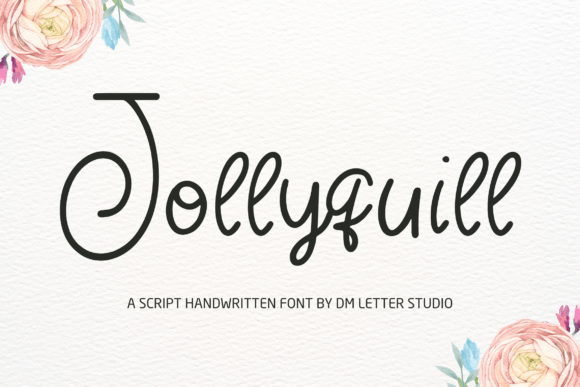
At its core, Jollyquill is defined by its smooth flow and natural movement. The strokes have a lively rhythm, feeling both spontaneous and deliberate. Unlike rigid, overly perfect script fonts, the connections between letters feel organic, creating words that look authentically crafted. This script font avoids the overly flourished look of formal calligraphy, opting instead for a modern, friendly script style. Its balanced stroke weight ensures it remains legible even at smaller sizes, a crucial factor for projects like packaging design or social media graphics where text needs to be read quickly.
The visual appeal of Jollyquill lies in its versatility. It can feel playful for a children's brand, elegant for a boutique, or heartfelt for personal stationery. This adaptability makes it a valuable design asset. When you use Jollyquill, you’re not just selecting letters; you’re injecting a specific mood into your project—one of warmth, confidence, and approachable charm.
Where Jollyquill Truly Shines in Real Projects
The true test of any creative font is its application. Jollyquill excels in scenarios where a human touch is desired. For logo design, especially for small businesses, bakeries, lifestyle brands, or creative studios, it establishes an immediate connection with the audience. It tells customers there’s a person behind the brand who cares about details. In editorial design, think of pull quotes in magazines or chapter headings in books—Jollyquill can add a focal point that draws the reader in.
Its utility extends far beyond digital screens. Because of its clean, balanced lines, Jollyquill performs exceptionally well in print applications. It’s a reliable choice for wedding invitations, greeting cards, planners, and sticker designs. The font’s clarity holds up beautifully in sublimation, DTF (Direct to Film), and standard printing processes, ensuring your message is never lost. For web design, it can be used strategically for headlines or buttons to add personality, provided it's paired thoughtfully with a highly readable body font.
Strategic Font Pairing and Design Tips
Using a script font like Jollyquill effectively often involves thoughtful pairing. A common and successful approach is to combine it with a clean serif font or a minimal sans serif font. This contrast creates a clear visual hierarchy. For instance, use Jollyquill for a main headline or brand name, and pair it with a sturdy sans serif for body text. This ensures the personality of the script doesn’t overwhelm the reader while maintaining a cohesive brand identity.
Consider the background and color palette. Jollyquill’s smooth curves tend to stand out beautifully against light or soft-colored backgrounds. When working on layouts, start by using it for short, impactful phrases—like a tagline, a call-to-action, or a featured product name. This showcases its flowing connections best. For longer text blocks, reserve it for emphasis. A slight adjustment in letter spacing can also enhance its natural rhythm, making it fit seamlessly into your design’s flow.
Practical Considerations for Choosing and Using Jollyquill
Before integrating any commercial font into your workflow, a few practical steps are wise. First, ensure the font’s licensing aligns with your project's scope, especially for commercial use. Jollyquill is designed for broad application, but checking the specifics is always good practice. Next, test it in your primary design software. A major strength of Jollyquill is its compatibility; it installs and works smoothly in popular platforms like Canva, Photoshop, Illustrator, and Procreate, making it accessible for both professionals and hobbyists.
Evaluate its fit for your specific need. Is the goal to convey elegance, whimsy, or friendly professionalism? Review the included character set. Many premium fonts like Jollyquill include alternate letters, ligatures, and stylistic sets that can add unique flair to your work. Finally, always prioritize readability. While the font is designed for clarity, test it at the intended size and on the intended medium—whether a mobile screen, a printed card, or a product label—to ensure it communicates your message perfectly.
In the landscape of modern typography, Jollyquill stands out as a reliable and expressive script handwriting font. It bridges the gap between the warmth of hand-lettering and the consistency required for professional design. Whether you’re building a brand identity, crafting marketing materials, or creating personal projects, it offers a tool that feels both joyful and practical. By understanding its character and applying it with strategic consideration, you can leverage Jollyquill to create designs that are not only beautiful but also genuinely connect with your audience.