Kidsline Regular: Capturing Childlike Charm in Design
In a world saturated with sleek, corporate fonts, finding a typeface that feels genuinely warm and approachable can be a challenge. Kidsline Regular is a display font that steps into this space with a distinct, playful personality. It doesn’t just mimic a child’s handwriting; it channels the innocent, unfiltered joy of a crayon sketch. This isn’t a font for formal reports or minimalist websites. It’s a creative font designed to evoke smiles, spark nostalgia, and make any project feel instantly more friendly and accessible.
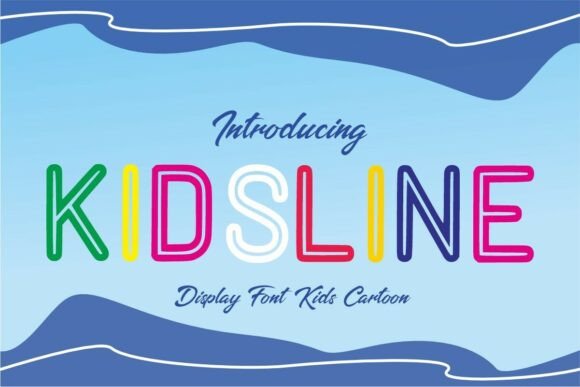
What makes Kidsline Regular stand out is its authentic, hand-drawn quality. Each letter maintains a consistent monoline weight, but the outlines are intentionally wobbly and imperfect. This subtle irregularity is key to its charm, giving text a tactile, sticker-like appearance as if the letters were carefully drawn by a small hand. The rounded, bubbly shapes and solid color fill contribute to a cohesive look that’s both legible and whimsical. It’s a premium font that understands its role: to communicate warmth and simplicity without sacrificing clarity.
Where Kidsline Regular Truly Shines
Understanding where this typeface fits best is crucial for effective use. Its primary strength lies in projects targeting children or families, but its appeal is broader. Think of the branding for a pediatric dentist’s office, the packaging for organic baby snacks, or the title of a family-friendly blog. The font immediately sets a tone of safety and fun. In editorial design, it’s perfect for chapter titles in children’s books or playful headings in parenting magazines. For social media graphics, it can make announcements about school events, kids' crafts, or family activities feel more personal and engaging.
Beyond direct child-focused applications, Kidsline Regular can be a strategic tool for brands seeking a softer image. A coffee shop aiming for a neighborhood, community vibe might use it for chalkboard menus or loyalty card headers. A craft brewery could use it on a limited-edition, family-friendly root beer label. In web design, it works wonderfully for hero sections of sites promoting educational apps, summer camps, or creative workshops. The key is to pair it thoughtfully. Using it as a headline font alongside a clean, neutral sans serif font for body text creates a balanced font pairing that maintains readability while injecting personality.
Practical Guidance for Using This Playful Typeface
Choosing any display font requires careful consideration. Start by evaluating your project’s core message. Is the goal to feel trustworthy and serious, or approachable and joyful? If it’s the latter, Kidsline Regular is a strong candidate. Always test it in context. View mockups of your logo design, packaging, or website header at various sizes. Does the whimsical detail hold up at a small scale on a mobile screen? Does it feel overwhelming in large blocks of text? Remember, this font is best used sparingly for maximum impact—think headlines, logos, and call-to-action buttons, not long paragraphs.
Font pairing is an art. Kidsline Regular’s bubbly, rounded forms create a beautiful contrast with the geometric precision of a sans serif font like Montserrat or the classic elegance of a serif font like Lora. Avoid pairing it with other overly decorative or handwritten fonts, as this can create visual chaos. Before finalizing your design, review the font’s full character set. Check for special characters, numbers, and punctuation that you might need. If your project is commercial—like merchandise, client work, or a paid product—ensure you have the correct commercial font license. This is a non-negotiable step for professional and legal use.
Ultimately, the power of a font like Kidsline Regular lies in its ability to shape perception. It influences brand identity by making a business feel more human and relatable. It affects audience engagement by drawing the eye and creating an emotional connection before a single word is read. Used wisely, it becomes more than just a set of letters; it becomes a core part of your visual storytelling. For designers, marketers, and creators, having this kind of handwritten font in your toolkit means you have a reliable way to communicate joy, creativity, and authentic warmth.