Ghoulie Font: Inject Playful Personality Into Your Designs
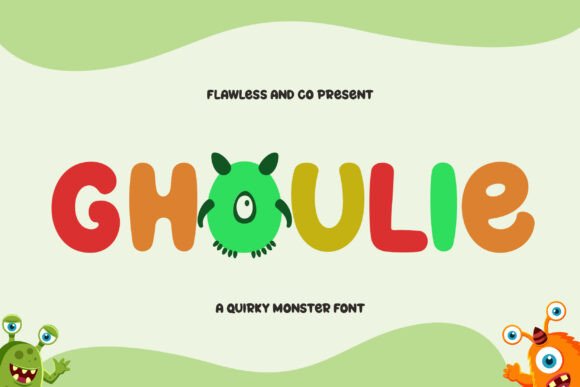
If you've ever stared at a blank design screen, searching for a typeface that doesn't just sit there but practically jumps off the page, Ghoulie might be exactly what you need. This isn't your typical display font. Ghoulie is a character-driven typeface where every letterform carries its own mischievous energy—rounded, colorful, and alive with monster-inspired details that feel like tiny creatures are peeking out from behind each glyph.
As someone who works with premium fonts daily, I can tell you that most decorative typefaces sacrifice legibility for personality. Ghoulie manages to thread that needle differently. Its friendly, bulbous shapes maintain clarity even at smaller sizes, while the playful monster aesthetic gives it a voice that's impossible to ignore. The letters bounce with color and cheeky charm, making it a genuine creative font rather than a gimmick.
Where Ghoulie Truly Shines
Not every project calls for a monster-themed typeface, and that's fine. But when the brief asks for fun, whimsy, or a touch of silly spookiness, Ghoulie delivers in ways that more restrained fonts simply cannot. Here's where I've seen this kind of character-driven font make the biggest impact:
- Kids' books and educational materials — The rounded, approachable shapes feel safe and inviting, while the monster details add just enough edge to keep young readers engaged.
- Party invitations and event branding — Halloween events, birthday parties, themed gatherings. Ghoulie sets the tone before guests even read the details.
- Game design and app interfaces — Casual games, puzzle apps, and interactive children's content benefit enormously from fonts that feel alive.
- Cartoon and animation projects — Title cards, credits, and on-screen text that need to match the energy of animated characters.
- Packaging design — Snack brands, candy companies, toy packaging, and novelty products targeting younger demographics or playful adult audiences.
- Social media graphics — Instagram stories, YouTube thumbnails, and TikTok overlays where grabbing attention in milliseconds matters.
What makes Ghoulie particularly useful is that it doesn't pigeonhole you into one lane. I've seen similar monster-inspired fonts work beautifully on everything from brand identity materials for children's entertainment companies to editorial spreads in lifestyle magazines targeting parents. The key is context and restraint.
Working With Ghoulie's Personality
Every display font carries an emotional weight. Serif fonts whisper tradition. Sans serif fonts project clarity. Script fonts suggest elegance. Ghoulie, by contrast, shouts "let's play"—and that's both its greatest strength and its biggest consideration.
When evaluating whether Ghoulie fits your project, ask yourself a few practical questions. Does the brand or project embrace humor? Is the target audience comfortable with playful aesthetics? Will this font appear in headlines, or does it need to carry entire paragraphs? Ghoulie works best as a headline or accent font. Pairing it with a clean sans serif font for body text creates a natural visual hierarchy that lets the monster personality shine without overwhelming readers.
One pairing I'd recommend: use Ghoulie for your main headline or logo treatment, then set supporting text in something like a geometric sans serif. The contrast between playful and professional creates visual interest while maintaining readability. This approach works particularly well in editorial design, where you want personality in section headers but need comfortable reading for longer passages.
Technical Details That Actually Matter
Ghoulie is PUA-encoded, which means every glyph, swash, and alternate character is accessible regardless of the software you're using. If you've ever wrestled with fonts where special characters hide behind obscure keyboard shortcuts or refuse to appear in certain applications, you'll appreciate this. Whether you're working in Adobe Illustrator, Canva, Procreate, or a basic word processor, all of Ghoulie's character variations are available to you.
For designers building out brand identity systems, this accessibility matters more than you might think. Consistency across platforms—print, web, social—depends on reliable font performance. Ghoulie's encoding eliminates the guesswork.
Licensing and Commercial Use
Before incorporating any commercial font into client work or products for sale, always verify the licensing terms. Ghoulie, like most premium fonts, comes with specific usage rights that dictate how you can deploy it across commercial projects. Review whether the license covers web design embedding, print-on-demand merchandise, app development, and broadcast use. If you're a freelancer or agency, confirm that the license permits use across multiple client projects or if each client requires separate licensing.
This isn't just legal housekeeping—it protects your professional reputation and your clients' investments in their design assets.
Making the Most of This Typeface
Here's my honest take: Ghoulie won't work for every project, and that's exactly what makes it valuable. The designers and creators who reach for it intentionally—knowing it matches their audience, their message, and their brand voice—are the ones who get extraordinary results. A law firm's annual report? Probably not. A children's museum's seasonal campaign? Absolutely.
Test it at different sizes. Experiment with the alternate characters. Try it in color before defaulting to black and white. Ghoulie rewards experimentation, and the projects that use it well tend to be the ones where the designer leaned into the font's personality rather than fighting against it.
In a landscape crowded with safe, predictable typography, having a creative font like Ghoulie in your toolkit gives you options that most designers overlook. When a project calls for genuine fun—not corporate-friendly "we're approachable" fun, but actual, unapologetic playfulness—Ghoulie answers that call with personality to spare.