Tana: Weaving Shadow and Style into Your Next Design
You know the feeling. You're designing a poster for a local haunted house event, a cover for a thriller novel, or maybe just a series of social media posts for Halloween. You have the concept, the imagery, but the text feels… flat. It lacks the necessary atmosphere. This is where a specialized display font like Tana enters the picture. It’s not just a collection of letters; it’s a tool for setting a mood instantly. I’ve found that in design, typography is often the unspoken hero or villain, and a font like Tana is unapologetically cast as the latter, in the best possible way.
Understanding Tana's Eerie Elegance
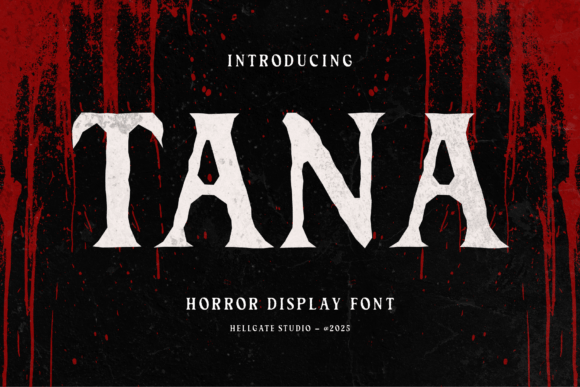
At its core, Tana is a premium font crafted for a specific narrative. Its visual personality is defined by sharp, slightly irregular serifs and a subtle, unsettling weight distribution. Imagine a classic serif font that has been left in a damp, forgotten library for a century—it has developed a dignified decay. The strokes have a gritty texture, not unlike a rough script font, but with the structured backbone of a traditional typeface. This duality is its strength. It feels both ancient and intentional, avoiding the common pitfall of horror fonts that look cheap or cartoonish. Tana maintains an elegant appeal, making it suitable for projects that need a chill factor without sacrificing sophistication.
Where Tana Truly Shines: Practical Applications
Knowing a font's personality is one thing; knowing where to deploy it is where the real work begins. In my experience, a font like Tana is a specialist. It’s not your next body text for a corporate report, but it excels in roles where first impressions and emotional tone are paramount.
- Editorial and Publishing Design: Think book covers for mystery, gothic fiction, or true crime. Tana can set the tone for an entire series, creating a recognizable brand identity on the shelf. Chapter titles, pull quotes, and section headers in a magazine can use Tana to create dramatic visual breaks.
- Event Branding and Packaging: From wine labels for a "Vampire's Vineyard" blend to ticket designs for a suspense theater production, Tana adds instant thematic cohesion. It’s a fantastic design asset for craft breweries, escape rooms, or seasonal product packaging that wants to evoke a specific, spooky ambiance.
- Digital and Social Media Graphics: A YouTube thumbnail for a horror game review, an Instagram story promoting a haunted attraction, or a podcast cover for a true crime series—Tana cuts through the digital noise. Its high-contrast, detailed letterforms are built for impact at various scales, a key consideration in modern web design and social media.
- Logo Design and Brand Marks: For businesses in niche entertainment, themed dining, or even certain apparel brands, a custom wordmark using Tana could be striking. It signals a specific aesthetic immediately, helping with brand recognition and setting customer expectations from the first glance.
Making Tana Work for Your Project: A Practical Guide
Choosing a font is more than just picking something that looks cool. It’s about evaluating fit, ensuring readability, and understanding the technical details. Here’s how I’d approach using Tana in a professional workflow.
Evaluating Fit and Testing Readability
First, ask: does this font serve the story I’m trying to tell? Tana is perfect for a horror film festival poster but would be a disastrous choice for a children’s daycare flyer. Context is everything. Once you’ve decided the mood is right, test it. Type out the actual words you’ll be using. How do the letter combinations look? Is the spacing (kerning) between letters like 'T' and 'a' or 'a' and 'n' visually balanced? A great creative font still needs to be legible. While Tana is designed for headlines, ensure the specific words you choose are clear at the intended size. Zoom in and out. Print a test sheet. This step separates a good idea from a professional execution.
The Art of Font Pairing
Tana is a star, but every star needs a supporting cast. Pairing it with another typeface is crucial for creating a functional design. A general rule I follow is contrast. Since Tana is a detailed, textured display typeface, it pairs beautifully with clean, simple companions.
- With a Modern Sans Serif: Pairing Tana with a geometric or humanist sans serif font for body text creates a clean, readable hierarchy. The sans serif provides calm, while Tana delivers the drama. This is a safe, professional combination for web headings and subheadings.
- With a Simple Serif: For a more classic, editorial look, a very neutral, low-contrast serif font can work. The key is that the supporting serif should be quiet and understated, letting Tana’s unique character remain the focal point.
- Avoiding Clashes: I would steer clear of pairing Tana with another highly stylized font, like a busy handwritten font or an ornate script. The result would be visual chaos, with two strong personalities fighting for attention and destroying readability.
Technical Considerations: Styles and Licensing
Tana is delivered as an OTF file, a standard for high-quality typefaces that offers advanced typographic features. Before purchasing, review what’s included. Does the family come with multiple weights (like Regular and Bold) or just the one? Does it have stylistic alternates or ligatures that could add extra flair to your headlines? Understanding the full scope of the typeface family allows you to use it more flexibly.
Finally, and this is non-negotiable for commercial work, understand the licensing. A commercial font license outlines how you can use the font. Will it be used on a single website? In a logo for a client? On products for sale? Ensure the license you acquire covers your intended use, whether for a personal blog or a full-scale branding project. This due diligence protects you and respects the work of the font’s creator.
In the end, Tana is a powerful instrument in a designer’s toolkit. It’s a premium font that does one job exceptionally well: infuse text with a palpable sense of suspense and shadow. Used thoughtfully, it can elevate a project from mundane to memorable, proving that sometimes, the right letterforms are all you need to tell a truly compelling story.