Retro Forever: A Typeface That Brings the Groove
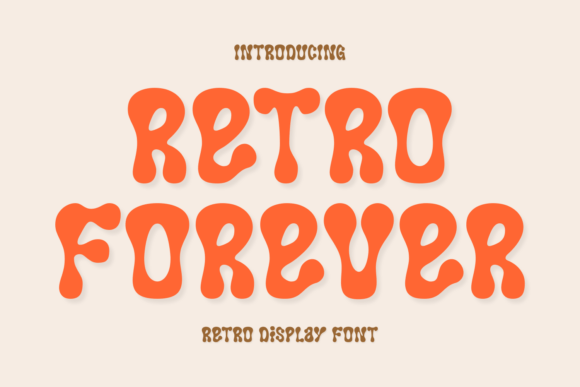
There’s a certain magic in design when a typeface doesn’t just spell out words but injects a full-on vibe into a project. That’s the core of Retro Forever, a display font that channels the bold, optimistic energy of the 1970s. It’s not merely a collection of letters; it’s a visual shorthand for fun, nostalgia, and a touch of psychedelic flair. For designers, marketers, and creators looking to break free from sterile, modern typography, this premium font offers a direct line to a more expressive, character-driven aesthetic.
More Than Just a Pretty Face: The Anatomy of a Groovy Typeface
At first glance, Retro Forever is unmistakably bold. Its curves are confident, its shapes are playful, and there’s an inherent rhythm in its letterforms that feels almost musical. This isn’t a subtle, whispering font. It’s a statement piece designed to grab attention. The thick strokes and rounded terminals give it a friendly, approachable quality, while the overall composition maintains a clear hierarchy. It’s a creative font that balances its exuberant personality with enough structure to remain highly functional in the right context.
Unlike a delicate serif font or a clean sans serif font, Retro Forever operates in the realm of pure display. Its strength lies in headlines, logos, and short, impactful text blocks. Think of it as the lead singer in a band—it’s there to front the show, not play the background bass. Its visual weight and distinct style make it a powerful tool for brand identity, where establishing an immediate emotional connection is paramount. The font’s design influences perception instantly, communicating a brand that is energetic, creative, and unafraid to stand out.
Where Retro Forever Truly Shines: Practical Applications
Knowing a font looks cool is one thing; knowing how and where to deploy it is where the real craft comes in. Retro Forever excels in projects that aim to evoke emotion, nostalgia, or a strong, singular personality. Its applications are broad, but they share a common thread: the need for visual punch over prolonged reading.
In logo design, this typeface can become the cornerstone of a brand’s visual language. It’s particularly effective for businesses in the creative, food and beverage, entertainment, or lifestyle spaces. Imagine a craft brewery, a vintage clothing line, or a music festival using Retro Forever in their logo—it instantly sets the tone and tells a story. For packaging design, it can transform a product on the shelf, making it pop with a retro charm that feels both familiar and fresh.
The digital landscape offers another vibrant canvas. As a headline font for web design, it can inject personality into a landing page or blog header, especially for sites targeting audiences who appreciate a bit of retro flair. For social media graphics, its bold presence cuts through the noise of a crowded feed, making posts for announcements, quotes, or promotions instantly more engaging. It’s a fantastic design asset for creating scroll-stopping content.
Print and editorial projects also benefit from its charm. In editorial design, think magazine spreads, feature titles, or pull quotes that need to feel dynamic. For posters, flyers, or event invitations, Retro Forever delivers the required energy. Even in personal projects like scrapbooking, custom merchandise, or hobbyist creations, it adds a layer of professional polish and distinct style.
Smart Implementation: Using Retro Forever Effectively
Deploying a display font with this much character requires a thoughtful approach. The goal is to harness its energy without overwhelming your design or sacrificing clarity. Here’s how to integrate it successfully.
First, consider font pairing. Retro Forever thrives when paired with a more neutral, versatile companion. A simple, clean sans serif font for body text is a classic choice, providing a quiet backdrop that lets the display font sing. For a more nuanced feel, a elegant script font or a structured serif font could work, but always test to ensure the combination feels harmonious rather than chaotic. The key is contrast and balance.
Next, evaluate the project’s needs. Ask yourself: Is the primary goal to be eye-catching and expressive? If the answer is yes, and the text is limited, Retro Forever is a strong candidate. If the project requires extensive body copy or a tone of understated sophistication, it’s likely not the right fit. Always test the typeface in context—mock it up in your design software to see how it interacts with other elements, colors, and imagery.
Pay close attention to readability. While it’s crafted for impact, ensure that at the chosen size, every letterform is distinct. Kerning (the space between individual letters) may need manual adjustment for perfect alignment in logos or headlines. Also, review the font’s included styles. Does it come with alternates, ligatures, or multiple weights? These features can provide valuable flexibility, allowing you to fine-tune the look for different applications.
Finally, for any commercial use—whether for a client, a product, or monetized content—always verify the licensing. A reputable commercial font will have clear terms. Using a properly licensed font like Retro Forever is a non-negotiable part of professional practice, ensuring your work is both legal and ethical. It’s a small step that protects your project and supports the type designers who create these valuable design assets.
In the end, Retro Forever is more than just a nostalgic throwback. It’s a tool for injecting instant personality, creating memorable visuals, and connecting with an audience on an emotional level. Used wisely, it can be the secret ingredient that transforms a good design into one that truly resonates.