Retro Dream: A Typeface for Bold, Nostalgic Branding
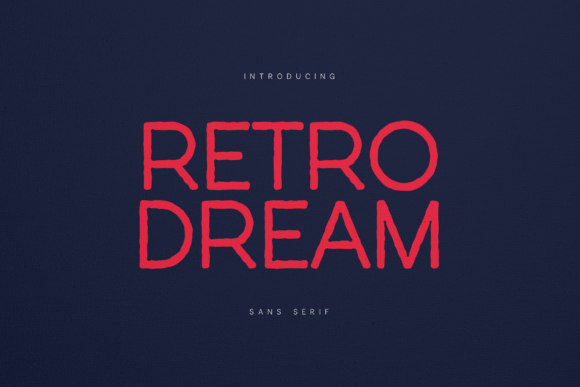
Every so often, a typeface comes along that doesn't just fill a design need—it captures a feeling. Retro Dream is precisely that kind of font. It's a playful, handmade sans-serif that immediately evokes the warm, optimistic aesthetics of vintage posters and 1970s editorial spreads. But calling it merely "retro" would be selling it short. This is a modern typeface engineered for today's creative landscape, blending organic, hand-drawn character with the clean readability essential for professional work. It’s a font that feels alive, with its chunky, textured strokes and soft, curved forms, making it an incredibly versatile tool for anyone looking to inject personality and warmth into their projects.
More Than a Throwback: The Anatomy of Retro Dream
At its core, Retro Dream is a display font, meaning it's built for impact at larger sizes—think headlines, logos, and posters. Its visual personality is defined by a few key traits. The stroke variation is subtle but crucial, mimicking the slight inconsistencies of hand-lettering without sacrificing consistency. This gives it an authenticity that fully digital fonts often lack. The curves are soft and inviting, avoiding the harsh geometry of some modern sans serifs. This softness contributes to its approachable feel, making it suitable for brands that want to seem friendly and creative rather than cold and corporate.
Because of its thick weight and carefully crafted letterforms, Retro Dream maintains excellent legibility even from a distance. This is a practical superpower. It means you can confidently use it for signage at a festival, on apparel where text needs to be read quickly, or in social media graphics that appear as small thumbnails. The font’s inherent texture also makes it a standout in high-contrast color pairings. Imagine bright red on a deep navy background or vibrant orange on a creamy, off-white surface—these combinations make the font's character pop, creating memorable and energetic visuals.
Where Retro Dream Truly Shines: Practical Applications
Understanding a font's strengths is key to using it effectively. Retro Dream excels in projects where you need to establish a distinct mood or brand identity quickly. It’s a natural fit for vintage branding, but its applications are much broader.
- Branding & Logo Design: For a creative studio, a funky juice bar, a summer festival, or a boutique clothing line, Retro Dream can become the cornerstone of a brand identity. It instantly communicates a specific vibe—cool, classic, and handmade. Use it for logos, wordmarks, and key brand headlines to set a consistent tone.
- Editorial & Packaging Design: In editorial design, it brings energy to magazine covers, section headers, or feature article titles. For packaging design, especially on products like artisanal foods, craft beverages, or cosmetics, it adds a layer of charm and authenticity that stands out on a shelf.
- Digital & Social Media: On the web and in social media graphics, it cuts through the noise. Use it for bold YouTube thumbnails, Instagram post headers, or website hero sections to grab attention. Its readability ensures your message gets across even on small screens.
- Apparel & Merchandise: The font’s thick strokes translate beautifully to screen printing and embroidery. It’s ideal for t-shirt designs, tote bags, and other merchandise where you want a statement piece with a nostalgic edge.
Making It Work: Pairing and Practical Tips
A great creative font is even better when paired thoughtfully. Retro Dream, with its strong personality, works best when balanced with more neutral typefaces. A classic, clean serif font or a simple, geometric sans-serif can provide a perfect counterbalance for body text, ensuring your layout remains readable and professional. This is where understanding font pairing becomes a valuable skill. You don’t want two fonts competing for attention; you want them to support each other in a clear visual hierarchy.
When evaluating if Retro Dream is the right fit for your project, consider the audience and the message. It speaks to adults (20–50) who appreciate nostalgia, craftsmanship, and design with a point of view. It’s less suited for highly formal, traditional, or minimalist contexts where a neutral corporate font would be more appropriate. Always test the font with your actual content. See how it looks with your specific color palette and imagery. Does it enhance the story you’re trying to tell? Does it align with the emotions you want to evoke?
Finally, always check the licensing terms for any premium font. Most commercial fonts, including high-quality design assets like Retro Dream, require a license for commercial use. This is a standard practice that supports the type designers who create these tools. Reviewing the included styles—whether it comes with multiple weights, italics, or alternate characters—can also expand your creative possibilities. For instance, having a bold and a regular weight allows for more nuanced typographic layouts.
In the end, Retro Dream is more than just a modern retro font; it’s a mood-setter. It’s for the designer who wants to create a “throwback” vibe that feels fresh, for the entrepreneur building a brand with soul, and for the content creator looking to make their visuals unmistakably theirs. It delivers that rare combination of handmade warmth and professional utility, making every headline, logo, or poster feel both cool and authentically classic.