Abakura: The Handwritten Font That Captures Urban Energy
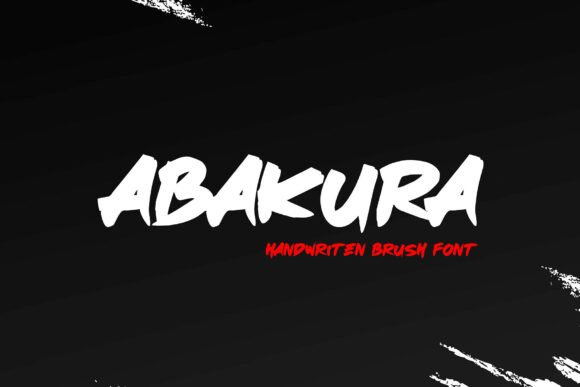
There's a moment in every creative project where you need typography that doesn't just sit there looking pretty—you need it to leap off the screen, grab attention, and communicate raw, unfiltered energy. That's precisely where the Abakura typeface enters the conversation. This isn't another polished, predictable premium font designed for corporate presentations. Abakura is a handwritten font that channels the spontaneous spirit of street art, delivering aggressive brush strokes and sharp terminals that feel like they were just painted on a city wall with a flat marker.
What makes Abakura stand out in a crowded field of display fonts is its texture and motion. Each letter carries the visible weight of a brush dragging across a rough surface, creating edges that feel genuinely handcrafted rather than digitally smoothed into oblivion. The slanted, forward-leaning posture of the characters adds urgency—like the words are rushing to make their point before you scroll past. If you've ever watched a graffiti artist work quickly on a brick wall, you'll recognize that same kinetic energy embedded in every glyph of this typeface.
Where Abakura Truly Shines
Not every font belongs in every project, and understanding where Abakura excels will save you time and frustration. This is a creative font built for high-impact moments where the typography needs to feel loud, energetic, and unmistakably human. Think about the contexts where rebellion and authenticity matter more than corporate polish.
Action-sports branding is one of Abakura's natural habitats. Skateboard companies, BMX crews, surf labels, and mixed-martial-arts gyms all thrive on visual language that communicates intensity. A logo design set in Abakura immediately tells your audience that your brand operates outside conventional boundaries. The textured strokes suggest movement, risk, and the kind of confidence that only comes from doing things your own way.
Music festival posters and concert graphics also benefit enormously from this display font. When you're competing for attention on a crowded bulletin board or social media feed, Abakura's bold, slanted letterforms cut through visual noise with remarkable efficiency. The font practically vibrates with the energy of a live performance, making it ideal for event promotion, album artwork, and merchandise design.
Streetwear labels and apparel graphics represent another strong application. Fashion brands targeting younger, style-conscious audiences often struggle to find typography that feels authentic rather than manufactured. Abakura solves that problem by looking like it was actually made by someone with paint-stained hands, not someone clicking through font libraries in an office.
Practical Considerations for Real Projects
Choosing a font like Abakura involves more than just falling in love with its visual personality. You need to think practically about how it will function within your broader design assets and whether it genuinely serves your project's goals.
Font pairing is critical with a typeface this expressive. Abakura demands a grounding partner—something clean, structured, and restrained that lets its wild energy breathe without overwhelming the viewer. A sans serif font with geometric qualities works beautifully, as does a monospaced font that introduces technical contrast. Avoid pairing it with other script fonts or ornate serif fonts, which would create visual competition rather than harmony. The goal is contrast: let Abakura handle headlines and display text while a quieter companion manages body copy and supporting information.
Color choices amplify Abakura's impact significantly. The font's heavy texture and rough edges look phenomenal with high-contrast palettes—white text on black backgrounds, neon colors against dark surfaces, or bright single hues against muted grays. These combinations highlight the brushstroke details that make the typeface special. Low-contrast color schemes tend to flatten its texture, diminishing the very qualities that attracted you to it in the first place.
Readability deserves honest assessment. Abakura is a display font, which means it's engineered for short, punchy text—headlines, logos, pull quotes, and callouts. Using it for extended paragraphs or small body text would compromise legibility and frustrate your audience. Respect the font's strengths by deploying it strategically where maximum visual impact matters most, then letting more conventional typography handle the heavy lifting of long-form content.
Integrating Abakura Into Your Brand Identity
For entrepreneurs and small business owners building a brand identity, typography choices send powerful subconscious signals to your audience. Selecting Abakura communicates specific values: authenticity, energy, creative confidence, and a willingness to stand apart from competitors playing it safe with generic modern typography.
Consider how this font might serve a fitness studio rebranding its visual presence. The aggressive, forward-leaning letterforms naturally suggest physical intensity and personal determination. Used on signage, social media graphics, and merchandise, Abakura creates a cohesive visual language that members and prospects immediately associate with high-energy training environments. The same principles apply to extreme sports YouTube channels needing thumbnail graphics that demand clicks, or street food vendors wanting packaging design that feels vibrant and approachable.
Web design applications require thoughtful implementation. While Abakura makes stunning hero section headlines and social media graphics, web designers should ensure the font loads properly and renders well across devices. Test it at various screen sizes before committing, and always have fallback fonts specified in your CSS. The textured details that look incredible on a large monitor might lose definition on smaller mobile screens, so evaluate accordingly.
From an editorial design perspective, Abakura works wonderfully for magazine covers, zine layouts, and blog post headers targeting creative audiences. Its handmade quality adds personality that stock photography and standard typography simply cannot replicate, giving publications a distinctive voice in saturated markets.
Licensing and Long-Term Value
Before incorporating any commercial font into client work or product lines, verify the licensing terms carefully. Most quality font licenses distinguish between personal and commercial use, and some require extended licenses for merchandise or large-scale distribution. Understanding these details upfront prevents legal complications down the road and ensures you're using Abakura responsibly across all your projects.
The investment in a well-crafted premium font like Abakura typically pays for itself quickly through the professional quality it brings to your work. Whether you're a freelance designer adding to your toolkit, a marketer refreshing campaign visuals, or a hobbyist exploring new creative directions, having access to typography that genuinely elevates your output is worth every penny.
Abakura isn't trying to be everything to everyone—and that's precisely its strength. When your project calls for typography that feels raw, energetic, and unmistakably human, this handwritten font