70s Daisy: The Retro Display Font for Groovy Designs
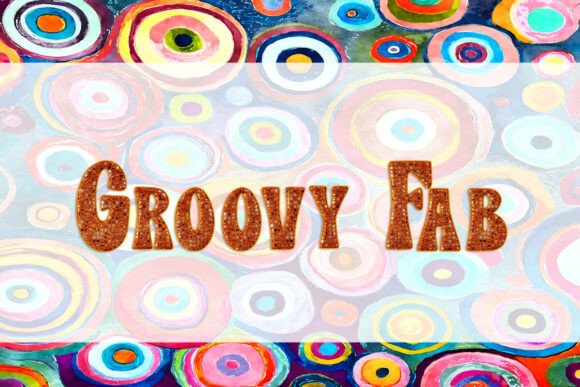
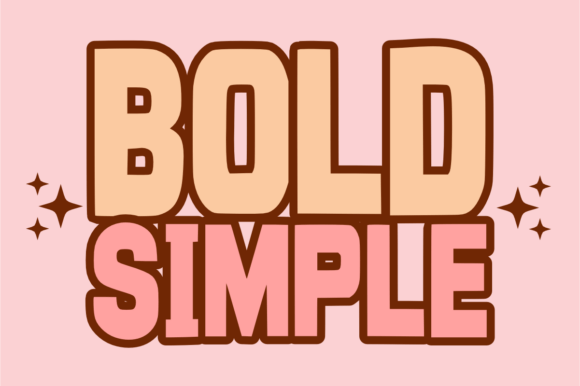
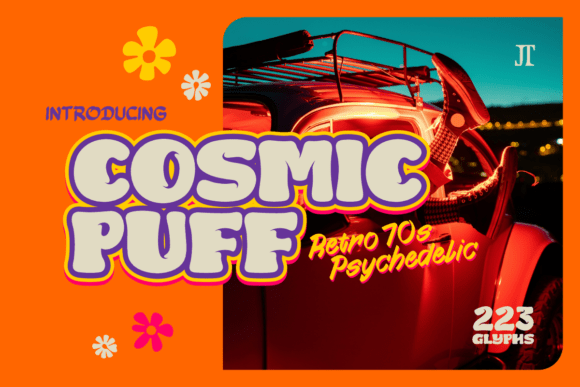
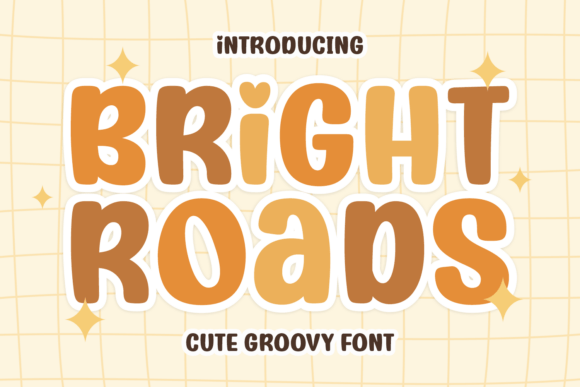
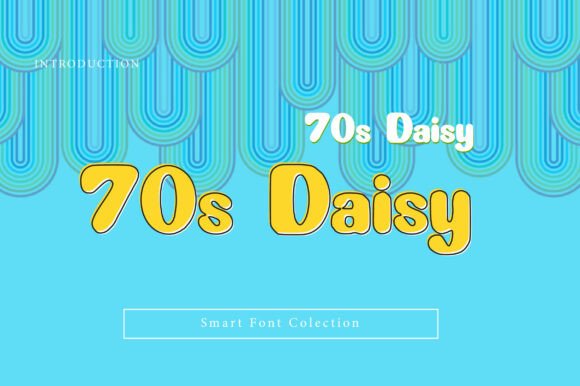
If your project needs a blast of pure, unadulterated 1970s sunshine, you’ve found your typeface. 70s Daisy isn’t just a font; it’s a time machine. It captures the optimistic, free-spirited energy of the flower power era with its chunky, rounded letterforms and distinctive hollow centers. Think of the typography on a vintage vinyl album cover, a psychedelic concert poster, or a colorful mural from a sun-drenched California neighborhood. This premium font is designed to evoke warmth, nostalgia, and a sense of joyful rebellion.
Visually, 70s Daisy is a display font with serious character. Its soft curves and solid, weighty shapes give it a friendly, approachable feel, while the outline style—featuring those iconic "hollow" centers—adds a unique, playful dimension. It’s the typographic equivalent of a daisy chain or a macramé plant hanger: handcrafted, full of personality, and instantly recognizable. Unlike a stark sans serif font or a formal serif font, this creative font brings an inherent sense of fun and authenticity to any headline it graces.
Where This Groovy Font Truly Shines
The real magic of 70s Daisy lies in its versatility within specific creative niches. It’s a powerhouse for projects that aim to feel retro, organic, or whimsically bold. For logo design and brand identity, it’s a perfect match for eco-friendly beauty brands, indie coffee roasters, bohemian fashion labels, or children’s apparel companies. It instantly communicates a brand personality that’s playful, conscious, and unafraid to stand out.
In packaging design and editorial design, this typeface makes a statement. Imagine it on artisanal granola bags, vinyl record sleeves, or the cover of a zine about sustainable living. Its bold presence commands attention on a shelf or a page. For social media graphics, web design hero sections, and event posters—especially for summer festivals, markets, or workshops—70s Daisy cuts through the digital noise with its high-energy vibe. It’s a fantastic tool for any designer or marketer working on a “retro-revival” campaign.
Practical Tips for Using This Vintage Typeface
While 70s Daisy is a showstopper, it’s a specialized tool in your design assets toolkit. As a display font, it’s built for impact at larger sizes—think headlines, logos, and short, punchy statements. It’s not intended for body copy; its playful forms would become difficult to read in long paragraphs. Pair it wisely. Let it own the headlines and pair it with a clean, neutral modern typography choice for supporting text. A simple sans serif font like Helvetica or a friendly script font for accents can create a beautiful, balanced font pairing.
Color and texture are your best friends here. To unlock its full potential, use 70s Daisy with a "psychedelic" palette. Avocado green, burnt orange, mustard yellow, and soft cream are its native habitat. Layer it over floral patterns, sunburst illustrations, or textured paper backgrounds. Its outline style is particularly clever—it can sit over busy, colorful backgrounds without losing legibility because the letterforms are defined by a solid stroke, not a filled shape. This makes it a surprisingly robust commercial font for complex designs.
Making the Decision: Is 70s Daisy Right for Your Project?
Before you commit, ask yourself a few key questions. Does your project’s tone align with warmth, nostalgia, and whimsy? Is the primary use case for short, high-impact text? If you’re designing a corporate financial report, this isn’t your font. But if you’re crafting a brand for a yoga studio, a poster for a local harvest festival, or a label for homemade jam, 70s Daisy could be the perfect creative catalyst.
Always check the licensing details of any premium font. Ensure the license covers your intended use—whether for a single client project, unlimited commercial work, or personal craft. When you download it, take time to explore the included character set. Does it have the ligatures or alternates you need? Test it in your actual design mockups. How does it feel next to your chosen images and colors? A font like this doesn’t just provide letters; it delivers a feeling. When used with intention, 70s Daisy does more than decorate—it transports your audience and solidifies your design’s unique, groovy soul.